Hyperbarics and Necrosis

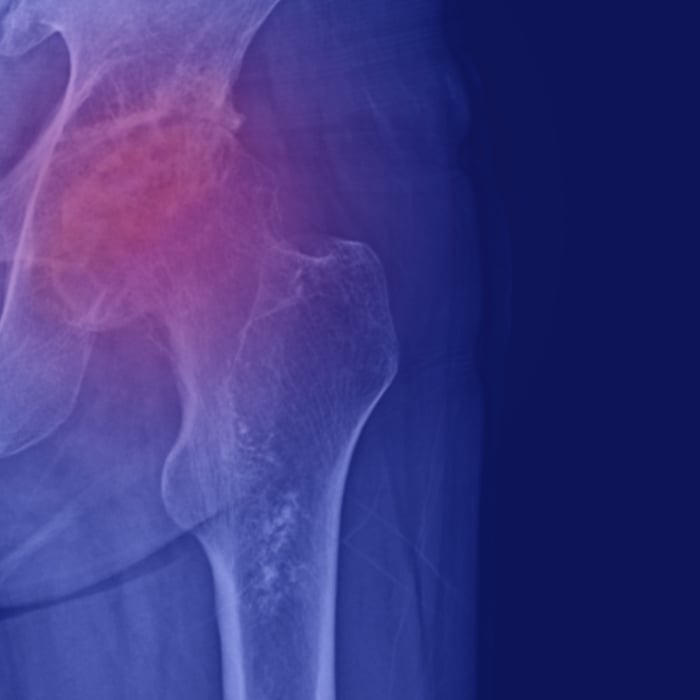
Necrosis occurs when tissue is deprived of oxygen and nutrients for too long, leading to cell death and progressive tissue breakdown. It can develop from injuries, infections, radiation exposure, or impaired circulation. Because oxygen is essential for keeping tissues alive and supporting cellular repair, areas affected by necrosis often struggle to heal on their own due to severely reduced blood flow. Hyperbaric oxygen therapy (HBOT) increases the amount of oxygen dissolved in the bloodstream while under pressure, allowing oxygen to reach damaged tissues that may otherwise be inaccessible. This enhanced oxygenation can help slow or stop tissue deterioration and support the body's natural repair processes (Thom, 2011; Heyboer et al., 2017).
1. Restoring Oxygen to Damaged Tissue
In necrotic or pre-necrotic areas, blocked or weakened blood vessels prevent oxygen from reaching the tissue. HBOT delivers a high concentration of oxygen under increased atmospheric pressure, allowing oxygen to diffuse deeper into compromised areas and promote tissue survival. This improved oxygenation supports cellular energy production and may help rescue tissue that is at risk but not yet fully necrotic (Thom, 2011).
2. Supporting New Blood Vessel Growth (Angiogenesis)
For damaged tissue to heal, it must develop new, healthy blood vessels. HBOT stimulates angiogenesis—the formation of new microvascular networks—which improves long-term circulation and nutrient delivery to previously oxygen-starved areas. Better blood flow enhances the tissue’s ability to recover, strengthens the surrounding structures, and supports stronger healing outcomes (Heyboer et al., 2017; Efrati & Ben-Jacob, 2014).
3. Reducing Infection Risk in Compromised Tissue
Necrotic tissue is vulnerable to bacterial growth because it lacks immune defense and oxygen supply. Many harmful bacteria thrive in low-oxygen environments. HBOT increases tissue oxygen levels to support the immune system, strengthen white blood cell function, and make the environment less favorable for anaerobic bacteria. This may help prevent infection from spreading and supports safer healing (Thom, 2011).
4. Stimulating Collagen Production and Wound Repair
Healing damaged or necrotic tissue requires collagen—the primary protein involved in rebuilding skin, connective tissue, and blood vessels. HBOT enhances fibroblast activity, the cells responsible for producing collagen. By improving oxygen availability, HBOT strengthens the body’s rebuilding processes, helping stabilize tissue, promote closure of wounds, and support long-term repair (Efrati & Ben-Jacob, 2014).
