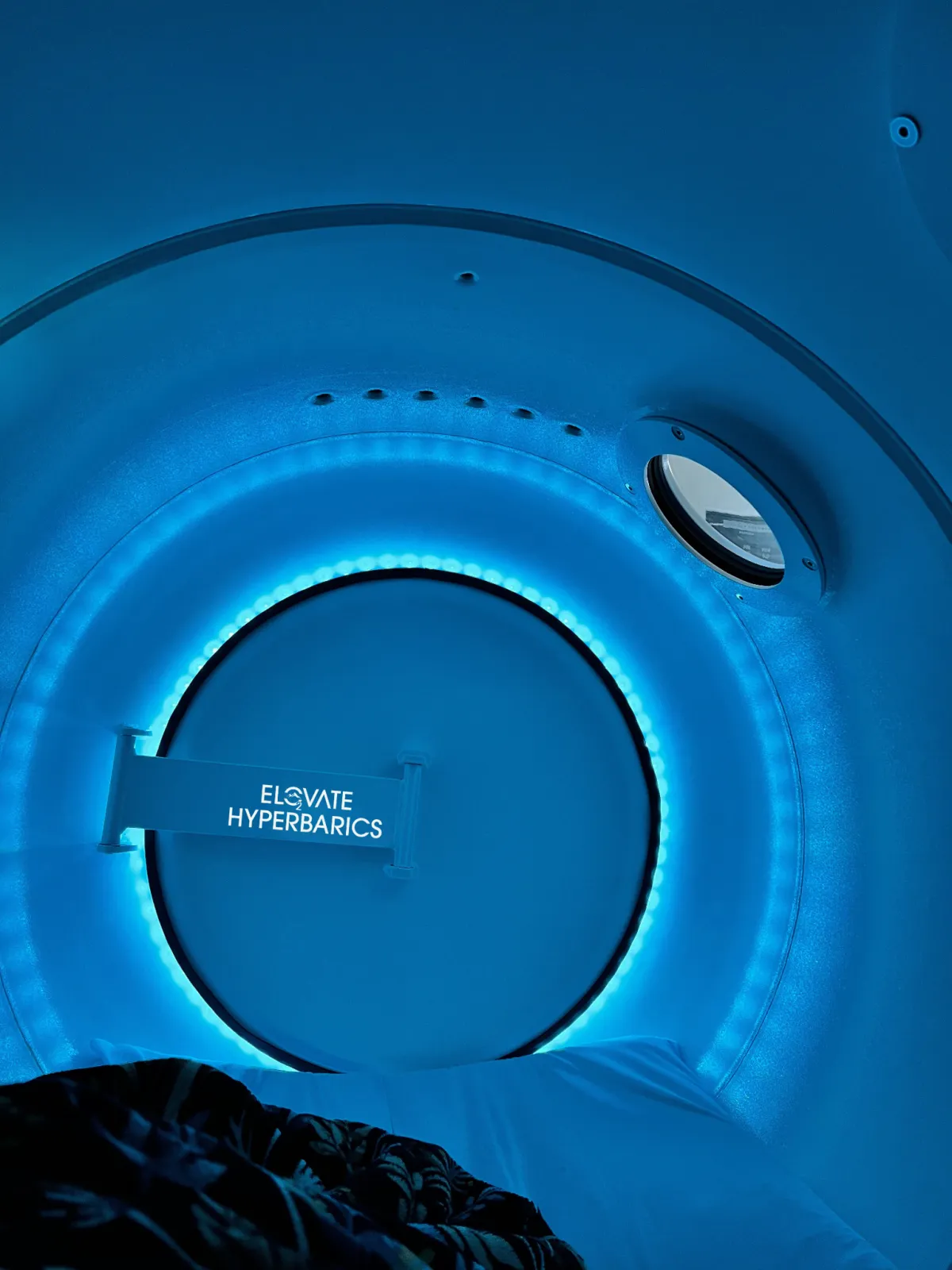
Pre and Post Op. and Hyperbarics

Surgery places stress on the body, requiring tissues to repair, fight infection, and restore normal function. Many surgical areas temporarily experience reduced circulation, swelling, and increased oxygen demand. Hyperbaric oxygen therapy (HBOT) increases the amount of oxygen dissolved in the bloodstream by placing the body under greater-than-normal atmospheric pressure. This enriched oxygen environment supports tissue strength before surgery and promotes faster, more comfortable recovery afterward (Thom, 2009; Heyboer et al., 2017).
1. Preparing Tissue for Surgery (Preconditioning)
Before surgery, optimizing tissue health can improve how well the body responds to the procedure. HBOT increases oxygen availability to skin, muscle, and connective tissues, supporting stronger cellular activity and more resilient tissue. Studies show that HBOT preconditioning can help reduce surgical stress, improve tissue tolerance, and may lower the risk of complications by enhancing the body’s natural readiness for healing (Thom, 2009).
2. Supporting Post-Operative Healing
After surgery, the body requires high amounts of oxygen to rebuild and repair damaged tissues. HBOT delivers oxygen deep into areas with restricted blood flow, helping accelerate the normal healing process. This elevated oxygen environment supports collagen formation, wound closure, and the recovery of surgical incisions. It may also help reduce swelling and tenderness during the early stages of healing (Heyboer et al., 2017).
3. Reducing Infection Risk and Supporting Immune Function
Many surgical complications occur when tissues don’t receive enough oxygen to support immune defenses. HBOT enhances the ability of white blood cells to fight bacteria and improves oxygen levels in tissue that may be vulnerable to infection. These effects can help support the body’s natural defenses during the crucial post-operative window and promote a safer recovery (Thom, 2009).
4. Enhancing Long-Term Recovery and Surgical Outcomes
Optimal healing doesn’t stop after the initial recovery period. HBOT helps stimulate new microvascular growth—tiny blood vessels that supply oxygen and nutrients to healing tissues. This improved circulation supports long-term strength, comfort, and tissue stability. For many individuals, HBOT contributes to smoother recovery, better wound quality, and stronger final results after surgery (Efrati & Ben-Jacob, 2014).
