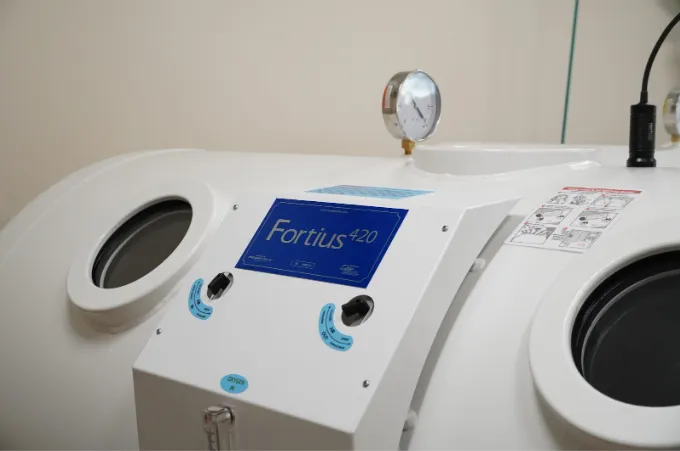
Anxiety and Hyperbarics

Anxiety can affect both the mind and body, often leading to heightened stress
responses, sleep disruption, muscle tension, and difficulty regulating emotions. Research
shows that imbalances in oxygen supply, inflammation, and neural signaling can contribute
to persistent anxiety symptoms.Hyperbaric oxygen therapy (HBOT) increases the amount of
oxygen dissolved in the bloodstream under pressure, supporting healthier brain function,
emotional balance, and overall nervous system regulation (Efrati et al., 2013; Tal et al., 2015).
1. Supporting Calmer Brain Activity
The brain uses more oxygen than any other organ, and areas involved in anxiety—such as
the amygdala and prefrontal cortex—are especially sensitive to oxygen changes.
HBOT helps restore normal oxygen levels to these regions, supporting more balanced
neural activity and helping reduce overactive stress responses. Studies show that improved
oxygenation may help the brain regulate mood more effectively and promote a greater
sense of calm (Efrati et al., 2013).
2. Improving Stress Regulation and Nervous System Balance
Chronic anxiety can keep the body in a “fight-or-flight” state, placing strain on the autonomic
nervous system. HBOT has been shown to support healthier autonomic regulation by
improving blood flow and oxygen delivery to deep brain structures involved in stress
control. This may help reduce physical symptoms like tension, restlessness, and rapid heart
rate, contributing to improved emotional stability (Tal et al., 2015)..
3. Supporting Sleep and Emotional Recovery
Sleep problems often worsen anxiety, making it harder for the brain to recover from daily
stress. HBOT enhances oxygen delivery during tissue repair and can support more
restorative sleep patterns by helping the brain settle into healthier rhythms. Many individuals
report clearer thinking, reduced nighttime stress, and better overall emotional resilience
after HBOT sessions (Efrati et al., 2013).
4. Promoting Long-Term Emotional Wellness
Over time, anxiety can alter brain pathways involved in mood regulation. HBOT has been
shown to stimulate neuroplasticity—the brain’s ability to heal, adapt, and form new
connections. By supporting healthier neural pathways and reducing physiological stress,
HBOT may assist individuals in achieving more stable long-term emotional balance and
improved quality of life (Tal et al., 2015).
