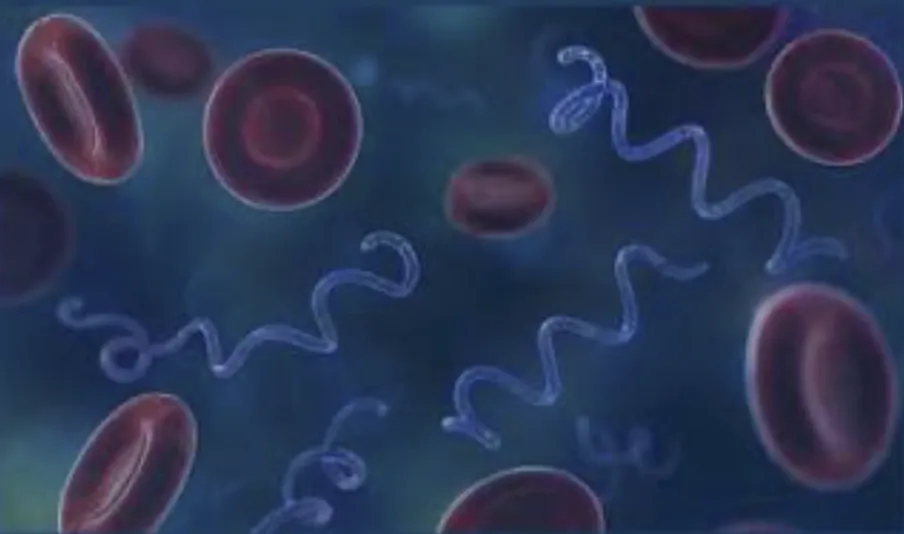
Hyperbarics and Lyme

1. Borrelia Hates Oxygen
Borrelia burgdorferi, the bacteria that cause Lyme disease, thrive in low-oxygen environments and become stressed in the presence of more oxygen (Seshu et al., 2004). Because they lack protective antioxidant enzymes, exposure to higher oxygen levels can damage their structure and limit their ability to survive (Boylan et al., 2008).
Hyperbaric oxygen therapy (HBOT) increases atmospheric pressure inside a chamber, allowing a greater amount of oxygen to dissolve into the bloodstream and reach areas that may have poor circulation or chronic inflammation. This enhanced oxygen environment may create conditions less favorable for Borrelia, while also supporting the body’s natural healing processes (Kindwall & Whelan, 2004).
2. Reduction in Inflammation Associated with Lyme
Inflammation plays a central role in Lyme, it is one of the main causes of pain, fatigue, and lingering symptoms in Lyme disease. High oxygen levels during HBOT help reduce inflammation by:
Lowering the activity of inflammatory cytokines (such as TNF-α and IL-1β)
Improving oxygen flow to damaged or oxygen-poor tissues
Supporting tissue regeneration and immune balance
Many individuals experience noticeable improvements in pain, swelling, and energy after a series of HBOT sessions (Berende et al., 2016).
3. Reduction in Chronic Fatigue Associated with Lyme
Lyme disease can impair cellular energy by disrupting mitochondrial function—the part of the cell that produces ATP, the body’s energy currency (Gaudino et al., 1997; Fallon et al., 2008). HBOT restores oxygen levels in the blood and tissues, which directly supports mitochondrial respiration and ATP production. By improving how cells use oxygen, HBOT helps restore energy, mental clarity, and physical stamina (Thom, 2009; Harch, 2015).
4. Overall Benefits of HBOT For Lyme
Research and clinical observations suggest HBOT may help:
Create conditions less favorable for Borrelia survival
Reduce inflammation and swelling
Support energy and cellular repair
Promote faster tissue healing and recovery
Improve cognitive function and fatigue
