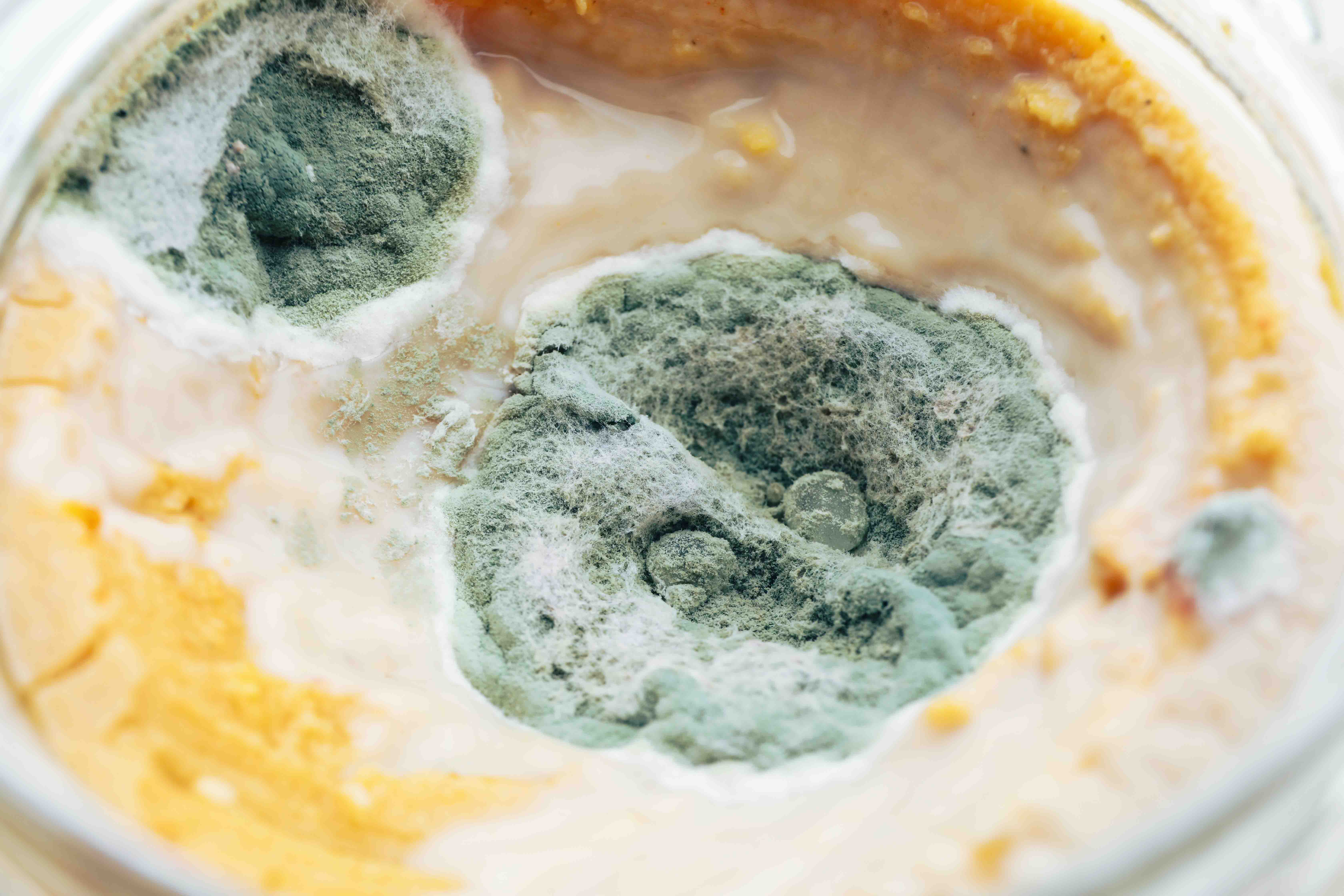
Hyperbarics and Mold

1. Hyperbaric Oxygen Therapy and Mold Exposure
Exposure to mold and mycotoxins can place significant stress on the body. These toxins
may trigger inflammation, disrupt immune balance, impair mitochondrial function, and
damage tissues in the sinuses, lungs, and brain. Hyperbaric oxygen therapy (HBOT), which
increases oxygen delivery through elevated atmospheric pressure, supports the body’s
natural healing processes and helps restore healthier cellular function (Thom, 2009). While
HBOT is not a direct treatment for mold, its physiological effects can support recovery in
individuals affected by mold-related illness.
2. Reduction in Inflammation Caused by Mold Exposure
Mold and mycotoxins can activate inflammatory pathways, leading to symptoms such as
sinus pressure, headaches, breathing difficulties, and cognitive fog. HBOT helps counter this
inflammation by lowering pro-inflammatory cytokines and enhancing the body’s antioxidant
defenses (Thom, 2009; Heyboer et al., 2017). With improved oxygen availability, irritated
tissues receive the support needed to calm inflammation, reduce swelling, and promote
clearer breathing and improved comfort.
3. Enhanced Tissue Repair in Areas Affected by Mold
Chronic mold exposure can impair the health of tissues that rely on consistent oxygen flow—
especially the respiratory tract and nervous system. HBOT increases the amount of oxygen
dissolved in the blood, which stimulates collagen formation, supports stem-cell activity, and
accelerates the repair of damaged or inflamed tissues (Bishop & Staples, 2021; Thom,
2009). Enhanced oxygenation may help restore function in areas affected by mold-related
irritation, supporting clearer breathing and improved sinus or lung recovery.
4.Supporting Detoxification and Cellular Recovery
Mycotoxins can interfere with the body’s detoxification pathways and reduce cellular energy
by impairing mitochondrial function. HBOT enhances ATP production—the energy currency
of the cell—and improves oxidative metabolism, helping cells recover from toxin-induced
stress (Thom, 2009). In addition, increased oxygen supports liver activity and immune
function, both of which play key roles in removing toxins and rebuilding physiological
balance.
