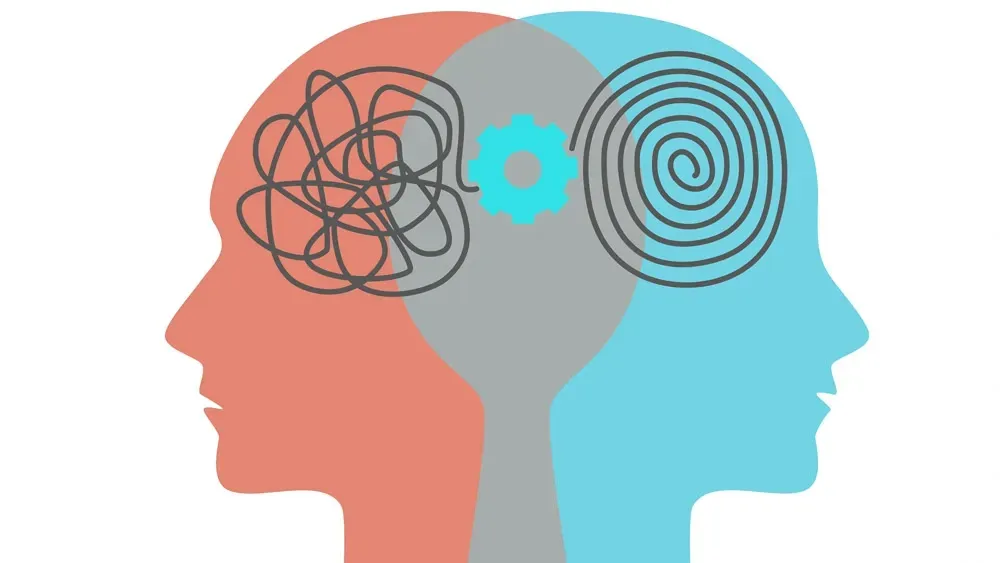
Depression and Hyperbarics

Why Hyperbarics for Depression?
Depression affects multiple brain systems, including mood regulation, cognitive processing,stress response, and the brain’s ability to adapt and recover. Research shows that people with depression often experience reduced activity in key brain regions, disrupted neural communication pathways, and decreased neuroplasticity. Hyperbaric oxygen therapy (HBOT)—which increases oxygen delivery under pressure—may support the brain’s natural recovery mechanisms by enhancing connectivity, promoting neuroplasticity, and improving function in areas involved in emotional balance (Zhang et al., 2022).
1. Supporting Healthy Brain Connectivity
Depression often involves reduced communication between the prefrontal cortex, limbic system, and other emotion-regulating circuits. Under increased atmospheric pressure, HBOT dissolves higher levels of oxygen into the bloodstream, improving oxygen flow to areas with reduced activity. Research using advanced brain imaging shows that HBOT can enhance functional connectivity in networks responsible for mood, motivation, and cognitive clarity, helping these regions work together more effectively (Golan et al., 2016). Improved connectivity supports clearer thinking, more stable emotions, and healthier cognitive processing.
2. Enhancing Neuroplasticity and Brain Repair
Neuroplasticity—the brain’s ability to form new connections and repair damaged ones—is often diminished in individuals with depression. HBOT has been shown to stimulate factors that promote neuroplasticity, including the growth of new blood vessels and improved structural organization of brain tissue. Studies demonstrate that HBOT can reactivate dormant neurons and strengthen pathways involved in memory, focus, and emotional regulation (Hadanny & Efrati, 2018). By supporting the brain’s natural repair processes, HBOT may help restore healthier functioning in mood-related regions.
3. Supporting Mood Recovery Through Stress-Related Pathways
Chronic stress is one of the strongest contributors to depression, influencing brain chemistry, sleep, motivation, and emotional resilience. Emerging research shows that HBOT may help modulate stress-linked biological pathways, including those connected to the gut- brain axis. In a controlled study, HBOT improved depression-like behaviors in stressed animals by reshaping gut microbiota and producing metabolic changes associated with improved emotional regulation (Zhang et al., 2022). These findings suggest that HBOT may support mood balance by helping the body recover from long-term stress patterns.
