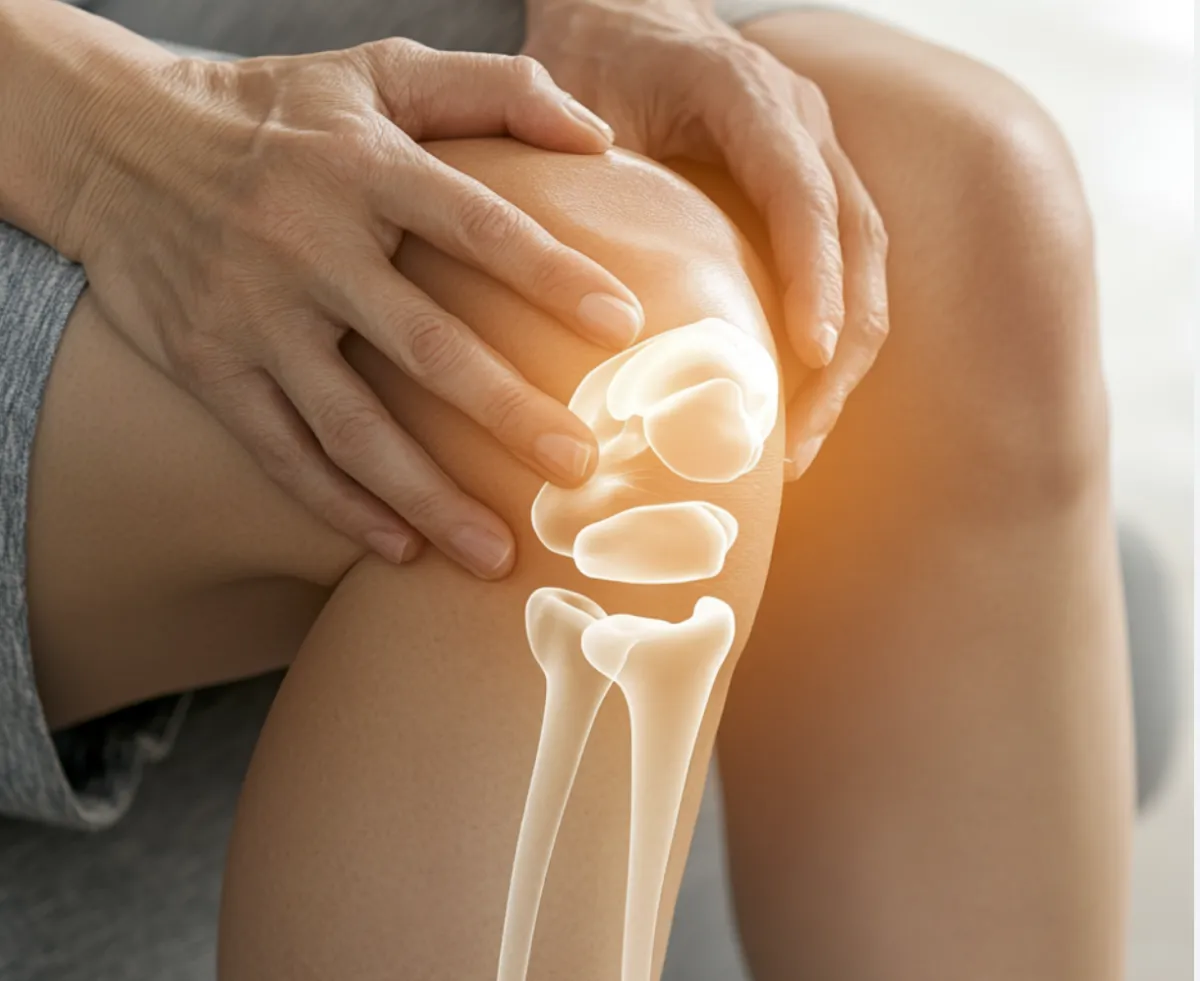
HBOT and Arthritis

Arthritis involves joint pain, stiffness, and reduced mobility caused by ongoing stress within
joint tissues. Over time, limited oxygen supply to cartilage, ligaments, and surrounding
structures can slow repair and contribute to persistent discomfort. Hyperbaric oxygen
therapy (HBOT) increases the amount of oxygen dissolved in the bloodstream under
pressure, helping oxygen reach areas that normally have poor circulation—like joint spaces.
This enhanced oxygen availability may support natural tissue recovery and joint function
(Thom, 2009; Heyboer et al., 2017).
1. Supporting Joint Tissue Recovery
Joints, especially cartilage receive very limited oxygen, which makes healing slow. HBOT
delivers more oxygen to these low-circulation tissues, supporting the normal repair of
connective tissue, cartilage, and surrounding structures (Thom, 2009). Improved oxygen
availability may help the body manage daily wear and tear more effectively and support
healthier joint function.
2. Improving Comfort and Mobility
Chronic joint discomfort can limit movement and reduce quality of life. Research shows that
HBOT can help regulate biological pathways that influence swelling, stiffness, and joint
tenderness (Heyboer et al., 2017). Many individuals report improved ease of movement and
reduced morning stiffness after a series of HBOT sessions.
3. Supporting Long-Term Joint Health
Arthritis can accelerate degeneration of joint tissues over time. HBOT has been shown to
promote healthier cellular activity, improve circulation to compromised areas, and support
joint resilience (Efrati & Ben-Jacob, 2014). By restoring healthier oxygen levels to the tissues
surrounding the joint, HBOT may help protect long-term joint integrity and overall mobility.
(Efrati & Ben-Jacob, 2014)
4. Enhancing Cellular Detoxification and Joint Metabolism
Arthritic joints often accumulate metabolic waste products that can irritate tissues and
contribute to ongoing discomfort. Proper cellular metabolism and waste clearance depend
on adequate oxygen and stable cellular function. HBOT helps create an oxygen-rich
environment that supports more efficient cellular metabolism, allowing joint tissues to clear
waste products more effectively and maintain healthier biochemical balance. This may help
joints function more smoothly and reduce the buildup of byproducts that contribute to
irritation and stiffness (Thom, 2009; Heyboer et al., 2017).
