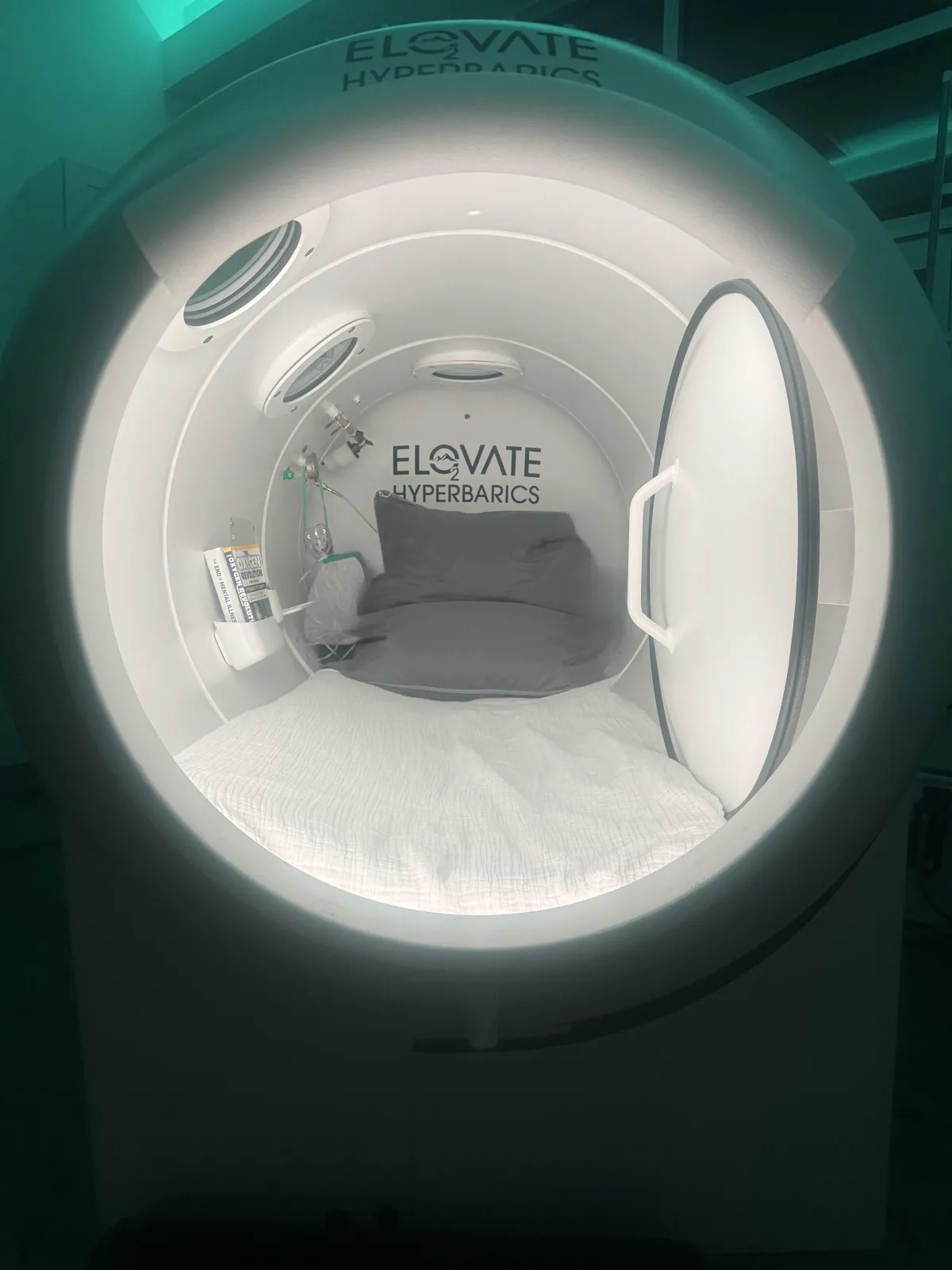
Hearing Loss and Hyperbarics

Sudden sensorineural hearing loss (SSNHL) is a rapid drop in hearing (usually in one ear)
that can happen over just a few hours or days. People often describe it as waking up with
muffled hearing, feeling “blocked,” or suddenly hearing far less than normal. Because
hearing relies on tiny, oxygen-sensitive cells deep inside the inner ear, anything that
reduces blood flow or oxygen to this area can cause sudden hearing changes.
Hyperbaric oxygen therapy (HBOT) increases the amount of oxygen dissolved in your
bloodstream, helping the inner ear receive more of what it needs to recover, especially
when started early.
1. Helping the Inner Ear Get the Oxygen It Needs
The inner ear is one of the most oxygen-demanding parts of the body, and when its blood
flow drops, hearing can decline very quickly. HBOT delivers oxygen under pressure,
allowing far more to reach the inner ear than breathing normally can.
When used along with standard medical treatment—especially steroids—HBOT has been
shown to improve hearing outcomes and give the delicate cells in the cochlea a better
chance at recovering.
2. Supporting Faster & Better Recovery When Started Early
With sudden hearing loss, time is extremely important. Research shows that people who
begin HBOT within the first 1–2 weeks after symptoms start often experience better hearing
improvement compared with those who begin later. Early oxygen support may help protect
the inner ear from long-term damage and give the hearing pathways the best chance to
heal.
3. Boosting Results When Combined With Standard Treatment
Doctors commonly treat sudden hearing loss with steroids to reduce inflammation. Studies
show that adding HBOT to this treatment can increase the chances of meaningful hearing
recovery. Because of this, major hearing specialists now include HBOT as an optional
supportive therapy for certain cases of SSNHL. For many people, combining sessions gives
them the strongest path toward restoring hearing.
